What are Nitrates and Nitrites?
Nitrates and Nitrites are composed of nitrogen and oxygen that occur naturally in the environment as part of the nitrogen cycle. Nitrogen is an important nutrient to plants and animals. When soil and water, wastes from animals, humans, and fertilizer products are decomposed they form nitrates and nitrites.
Sodium nitrate is the chemical compound with the formula NaNO3.
- Chemical compound is an entity (living, life, organism, being, existence.. etc) consisting of two or more atoms, at least
two from different elements, which associative via chemical bonds (a lasting attraction between atoms that enables the formation of chemical compounds.).
- An atom is the smallest component of ordinary matter (any substance made up of atoms) that has the properties of a chemical element (atoms having the same number of protons in their atomic nuclei (nucleus)). An atom cannot be broken down using any chemical means.
- A proton is a subatomic particle (much smaller than an atom) w/ a positive electric charge of +1e elementary charge and mass slightly less than that of a neutron. One or more protons are present in every nucleus (small dense region consisting of protons & neutrons of every atom). They are a necessary part of the nucleus.
- Subatomic particles are particles much smaller than atoms. The two types of subatomic particles are elementary particles, and composite particles.
Sodium Nitrite is the inorganic compound (not organic) with the chemical formula NaNO2.
- When Nitrites combines with secondary amines, it forms nitrosamines which is a powerful Cancer causing chemical
What do they use Nitrates for?
Nitrates are ingredients added to many foods to achieve flavor, color and stability- protecting against bacterial growth, rancidity, enhancing the flavor, and extending shelf life.—- Since an excess is known to be harmful, caution should be taken when eaten or added to foods.
Interesting facts:
- Food is usually the major source of nitrate exposure.
- Nitrate intake from a typical US diet provides an average of 75 to 100 milligrams per day (mg/day) of nitrate.
- The body also makes approximately 62 mg/day of nitrate in addition to what is ingested.
- Vegetables, particularly spinach, celery, beets, lettuce, and root vegetables are responsible for most of the dietary intake.
- Ingestion of up to 250 mg/day of nitrate has been reported for people whose diets consist mainly of food from vegetable sources
- Infection and illness can cause the body to produce even greater levels of nitrates.
- Shallow wells are more susceptible to nitrate contamination than bedrock wells. Wells close to sources of heavy fertilizer use or concentrated animal manure, such as farms and golf courses, are at greater risk. Other contaminant sources include malfunctioning septic systems and construction sites using explosives.
- Today, about every manufacturer adds synthetic sodium nitrite directly to cured meats.
- Nitrites are the reason cured meat is pink or red. Nitrites turn into Nitric Oxide, which reacts with the oxygen-binding proteins in the meat, changing its color. Without additives like nitrites, the meat would turn brown very quickly.
- When nitrites are exposed to high heat, in the presence of amino acids, they can turn into compounds called nitrosamines, which is cancerous.
- Any chemical added to food is most likely harmful to the body
Health Hazards:
- Nitrates are actually harmless by itself, but when converted to nitrites it turns into an extremely powerful cancer causing chemical.
- Nitrate is a health hazard because of its conversion to nitrite.
- Exposure happens when substances enter the body.
- Once ingested, conversion of nitrate to nitrite takes place in the saliva of people of all age groups, and in the gastrointestinal tract of infants.
- Infants convert approximately double, or 10 percent of ingested nitrate to nitrite compared to 5 percent conversion in older children and adults.
- Nitrite has been long suspected as being a cause of stomach cancer
- Higher risk for brain tumors in children, colon cancer, COPD
- According to Medical News Today consuming nitrate containing foods can be harmful to your health in a multitude of ways
- More than 90 percent of nitrates have shown to be carcinogenic in multiple organs
- Nitrates can turn into nitrosamines when in acidic environments, such as your stomach; nitrosamines are cancer causing agents.
Short Term Health Effects (Acute):
Nitrite changes the normal form of hemoglobin, which carries oxygen in the blood to the rest of the body, into a form called methemoglobin that cannot carry oxygen. High enough concentrations of nitrate in drinking water can result in a temporary blood disorder in infants called methemoglobinemia, commonly called “blue baby syndrome.” In severe, untreated cases, brain damage and eventually death can result from suffocation due to lack of oxygen. Early symptoms of methemoglobinemia can include irritability, lack of energy, headache, dizziness, vomiting, diarrhea, labored breathing, and a blue-gray or pale purple coloration to areas around the eyes, mouth, lips, hands and feet.
Infants up to six months of age are considered to be the most sensitive population. Not only do they convert a greater percentage of nitrate to nitrite, their hemoglobin is more easily converted to methemoglobin and they have less of the enzyme that changes methemoglobin back to its oxygen-carrying form.
No cases of methemoglobinemia have been reported when water contained less than 10 parts per million (ppm) of nitrate nitrogen. The majority of cases involve exposure to levels in drinking water exceeding 50 ppm. Healthy adults do not develop methemoglobinemia at nitrate levels in drinking water that place infants at risk. Pregnant women are more sensitive to the effects of nitrate due to a natural increase in methemoglobin levels in blood during the later stage of pregnancy beginning around the 30th week. At increased risk are those individuals with rare conditions, which are generally passed on “hereditarily”, who have higher than normal levels of methemoglobin in their blood. Individuals with digestive difficulties due to reduced stomach acidity are also at higher risk. Boiling water that has elevated nitrates should be avoided, since this only results in increasing the concentration of nitrate as the water evaporates.
Long Term Effects (Chronic):
The only non-cancer effect known to be caused by nitrate exposure is methemoglobinemia. No other non-cancer effects from chronic exposure have been conclusively established.
Cancer Causing Effects (Carcinogenic):
It is believed that after nitrate is converted to nitrite in the body, it can react with certain amine containing substances found in food to form nitrosamines, which are known to be potent cancer causing chemicals. Nitrosamine formation is inhibited by antioxidants that may be present in food such as Vitamin C and Vitamin E. In some laboratory studies in which rodents were given high levels of nitrites along with amine-containing chemicals, cancers of the lung, liver, and esophagus were observed. However, cancer was not observed in animals given either nitrate plus amines or nitrite alone without amines.
A few epidemiological studies of human populations have shown a correlation between gastric cancer and nitrate levels in drinking water. However, many similar studies have not found any association between drinking water nitrate and cancer. In 1995, a committee from the National Academy of Science reviewed the scientific data available for nitrate. They concluded that “… exposure to the nitrate and nitrite concentrations found in drinking water in the United States is unlikely to contribute to human cancer risk.”
One recent study conducted in the US found an association between nitrate exposure in drinking water and non-Hodgkin’s lymphoma (NHL). However, the same study found that a higher dietary intake of nitrate decreased the risk for NHL. Although occupational exposure to pesticides was taken into account in this study, pesticide exposure in drinking water was not measured. Pesticide exposure has been associated with an increased risk for NHL.
There is no strong evidence that nitrate and nitrite can cause cancer in the absence of the amine-containing substances necessary for the formation of nitrosamines in the body. Therefore, nitrate and nitrite would be classified in Group D, inadequate evidence to determine carcinogenicity, under the old U.S. Environmental Protection Agency cancer categorization scheme. Under the new EPA cancer guidelines, it would be appropriate to classify them into the “inadequate information to assess carcinogenic potential” category.
Reproductive/Developmental Effects :
Epidemiological studies of pregnant women having elevated nitrate levels in their groundwater
have been negative for effects on offspring other than for one study in which an association between nitrate levels and an increase in neural tube defects was observed.
Most animal studies have not found any reproductive or developmental effects from maternal exposure. One study did observe behavioral effects on offspring at nitrate exposure levels only slightly above the typical intake for a pregnant woman.
Health Standards and Criteria
The EPA has established a Maximum Contaminant Level Goal (MCLG) for nitrate in public drinking water systems. MCLGs are non-enforceable health goals for public water systems. MCLGs are set at a level at which it is judged that no known or anticipated adverse health effects would result from the consumption of two liters (0.53 gallon) of contaminated water per day by a 70 kg (154 lb) person for 70 years. The MCLG for nitrate, measured as nitrogen, is ten ppm (10 mg/L).
The EPA has also established a Maximum Contaminant Level (MCL) for nitrate in public drinking water systems. MCLs are enforceable drinking water standards determined by balancing the adverse health effects of a particular chemical against the feasibility and costs of treating contaminated water. The MCL for nitrate is also ten ppm. This MCL will protect the most sensitive population, infants less than six months of age, from methemoglobinemia due to drinking water exposure Because approximately 10 percent of ingested nitrate is converted to nitrite by infants, the MCLG and MCL for nitrite has been set at one ppm by the EPA.
The Department of Environmental Services Laboratory reports test results for nitrate in mg of nitrogen per liter of water. However, some laboratories may report results in units of mg of nitrate per liter of water. Results that are reported as mg of nitrate per liter must be converted to units of mg of nitrogen per liter by dividing by a factor of 4.4 prior to comparing it to the MCL of 10 ppm. In other words, 45 mg of nitrate, chemically represented as NO3, is equal to approximately 10 mg of nitrogen when only the “N” in the compound is considered, excluding the three atoms of oxygen or “O3.”
What kind of food has this?
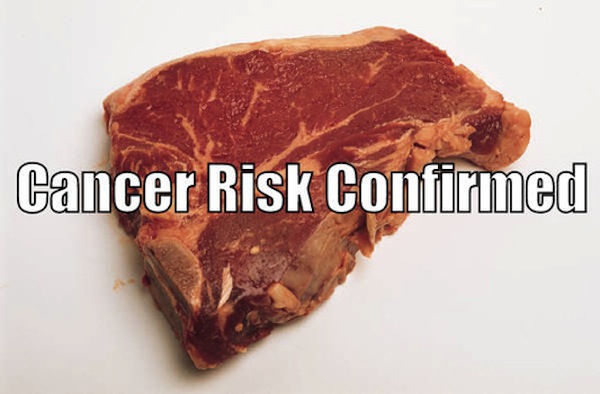
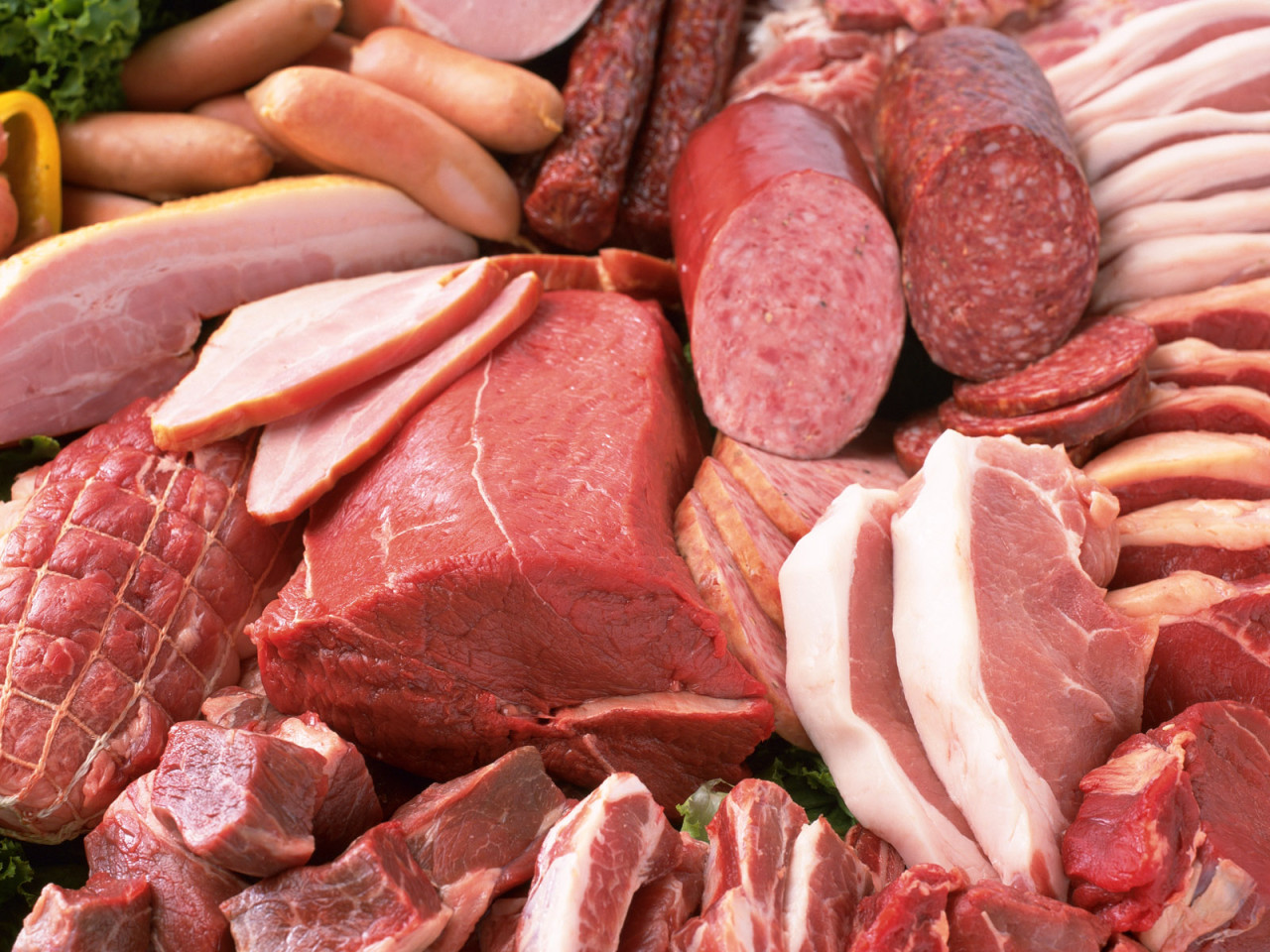
Like I mentioned earlier, sodium nitrate is used as a food additive to add flavor, color and to prolong the shelf life of food. This kind of makes you think it is probably in everything! Some foods are bacon, sausage, hot dogs, lunch meat, beef jerky, salami, smoked fish, pork and beans,…etc
If you want to eat meat, look for “Nitrate Free, and non-cured meat.
Makes one understand why God created us to live healthful vegan diets.
ALLOWED AMOUNT OF NITRATES PER EPA:
EPA reference dose for nitrate is 1.6 mg nitrate ion/kg-day body weight and for the nitrite ion a level of 0.1 mg/kg-day body weight. Lower doses are set for infants and children due to the potential methemoglobinemia.
If nitrates are bad then how come naturally grown foods have it?
Keep in mind that there’s a difference between the nitrates that are added to foods and those that occur naturally in produce such as spinach and celery. The naturally occurring nitrates in food come with vitamin C and other compounds that inhibit conversion into nitrosamines. There is no data to suggest that naturally occurring nitrates are harmful, so keep on eating those healthful foods.
Works Cited:
- Environmental Fact Sheet 2006 NH
- Casarett and Doull’s Toxicology: The Basic Science of Poisons, Sixth Edition. Klaassen, C.D., ed. McGraw-Hill Publishing Co., Inc., 2001.
- Consumer fact sheet on: Nitrates/Nitrites, U.S. EPA, Office of Water. Revised: January, 1998. www.epa.gov/OGWDW/dwh/c-ioc/nitrates.html.
- Toxicological information on nitrate. Integrated Risk Information System. U.S. EPA, Office of Health and Environmental Assessment. Last review: August, 1990.
- Nitrate and Nitrite in Drinking Water. National Research Council, National Academy of Sciences. National Academy Press. 1995.
- MedicalNewstoday.com
- Nitrites and Nitrate in Human Health and Disease. Bryan M.D,Nathan S., Loscalzo M.D, Joseph. Human Press
- Healthychild.org
- The EFSA Journal (2008) 689, 1-79
- Authoritynutrition.com
- Prevention.com





 Obedient Lifestyle
Leave a comment