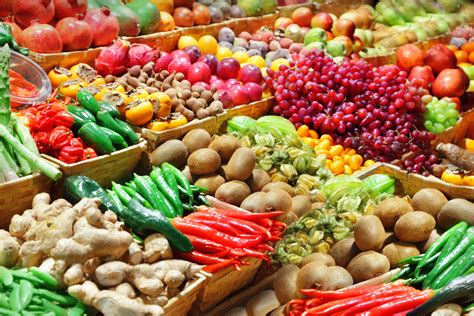
I’ve heard many people talk about how impossible it is to get the proper protein needed without eating animals. I also heard you can’t gain enough muscle or be as strong as the meat eaters. I even heard doctors say it’s not healthy and/or all vegans/vegetarians look sick. Being a vegetarian or vegan can be challenging at first and if you don’t do it the correct way it can make you sick and/or life threatening. So if you ever decide to change your eating habits to veganism I would suggest getting advice from a dietician to be make sure you are getting the proper nutrients/vitamins/minerals, etc. After doing some research I learned there are many great athletes that are vegan, for example, Venus Williams who is a professional tennis player with several Olympic gold medals and who is ranked World No.8 in the Women’s Tennis Association, Nate Diaz who is a professional mixed martial artist and is currently No.8 in official UFC lightweight rankings, and even a bodybuilder Torre Washington, if all these people can gain muscle and have excellence performance why can’t we? And if you want to talk about the smart, intelligent and/or genius’s of the past that were vegetarians, Albert Einstein and Thomas Edison! So making a life changing decision to be a healthier you it is possible. With all of the hormones, chemicals, and drugs that are in the meat today this would be a wise choice for all of us. With that said, below you will find an article of some of the top sources of vegan protein.
Natural News article by Willow Tohi
Like most people who have a higher health conscious, most vegans and vegetarians have a story about how they came to the decision to live their particular lifestyle. No matter your reasons, one of the challenges for non-meat eaters is making sure they get enough protein every day. But its not as big a deal as many think. Like most of the nutrients from quality food, a little goes a long way. Back in the hunter/gatherer days, primitive man ate a lot less meat – usually around 20% of his total diet – a far cry from how much the average American consumes daily in the 21st century.
Protein is an essential nutrient that plays a key role in how our bodies function. But too much protein is associated with several diseases. It is more important to eat a varied diet than to isolate and focus on any one nutrient. As long as calorie intake is adequate, it can be easy for vegan diets to meet protein recommendations (http://www.vrg.org/nutrition/protein.htm). RDA recommendations for protein are from .36 – .45 grams of protein per pound of body weight, or about 15-20% of calories. That’s roughly 48-60 grams/day.
Top sources of vegan protein
It’s a great time to be a vegan. As the numbers of vegans grows, the demand for vegan products increases. There are lots of nutrient dense foods with a decent protein content. Even meat eaters ought to vary their protein sources, and try some of these:
Vegetables – the proper foundation for all diets.
1 avocado – 4 grams
1 cup broccoli – 1.5 grams
1 cup spinach – 5 grams
2 cups cooked kale – 5 grams
1 cup boiled peas – 9 grams
1 cup cooked sweet potato – 5 grams
Legumes, also vegetables, get their own mention. Specifically lentils and beans, the foundation of many diets for centuries.
1 cup soybeans – 28 grams (1 cup tofu – 22 grams, 1 cup tempeh – 30 grams)
1 cup lentils – 18 grams
1 cup refried beans – 15.5 grams
1 cup garbanzo beans (and hummus) – 14.5 grams
1 cup pinto, kidney, black beans – 13-15 grams
1 oz peanuts – 6.5 grams
Nuts and seeds – a staple in most vegetarian and vegan diets.
1 oz. cashews – 4.4 grams
1 oz. sesame seeds 6.5 grams, 3 tablespoons of tahini – 8 grams
1/4 cup (2 oz.) walnuts – 5 grams
1 oz. pistachios – 5.8 grams
2 tbsp almonds – 4 grams
Nut butters – peanut butter, almond butter, cashew butter – 2 tablespoons has about 8 grams of protein
Non-dairy milk – Soy, almond, ancient grain. 1 cup gets you 7-9 grams of protein.
Grains – Ancient grains, sprouted grains, multi-grains – a major part of the diet.
Quinoa is versatile and delicious. 1 cup – 9 grams.
Amaranth, bulgur, brown rice, wheat germ, oat bran are other grains with a high protein content.
Seitan, or flavored wheat gluten, has about 52 grams per cup, but it may not be a good idea to eat a lot of it.
Oatmeal – 1 cup = 6 grams.
Sprouted grain bread products – buns, tortillas, bread. Pack a sandwich or a wrap and you’ll get 7-10 grams from the bread alone.
Convenience foods: There are vegan protein powders and bars to fill in the gaps on the go. Hemp – 30 grams of hemp powder in your smoothie gives you 11 grams of protein.
Supplements – spirulina and chlorella are used often by vegetarians and vegans for their rich nutrient content, and protein content.
There are lots of cookbooks and websites with meal plans and inventive recipes, including many on how to make traditional dishes substituted with vegan ingredients.
Other topics often discussed regarding vegan diets include whether or not vegans need more iron or iodine. Requirements can be met without animal sources, but it is good to be mindful of it.
Whether its a long term lifestyle or a diet for cleansing, eating vegan can be enjoyable and rewarding. As with any diet, it is possible to be an unhealthy vegan. The best diets, vegan and otherwise, center around raw, fresh, organic vegetables. Many vegan’s stories begin with disease. They tried vegan to get better, and liked it so much it stuck.
Sources for this article include:
http://www.mindbodygreen.com/0-4771/10-Vegan-Sources-of-Protein.html
http://www.vrg.org/nutrition/protein.htm
http://www.care2.com/greenliving/vegetarian-protein-sources.html
http://www.vegancoach.com/foods-with-protein.html
http://www.naturalnews.com



 Obedient Lifestyle
Leave a comment