Selecting a suitable diet plan is challenging enough, but navigating the grocery store to determine which foods to purchase can be quite perplexing.
Here are some tips to remember when you go grocery shopping:
What does the PLU number on produce mean, and how do we choose the right one?
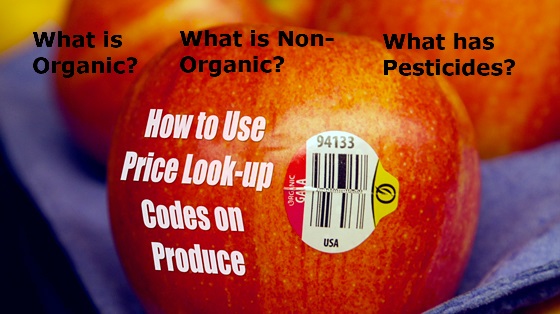
According to the FDA, PLU codes are 4- or 5-digit numbers that retailers have used since 1990 to make check-out and inventory control faster and more accurate. They eliminate the need for cashiers to identify the product (such as whether it is conventionally or organically grown) and ensure that the correct price is charged to consumers. PLU codes are primarily assigned to identify individual bulk fresh produce, nuts, and herbs. They appear on a small sticker applied to each fresh produce item. The PLU code identifies produce based on various attributes, including the commodity, variety, growing methodology (e.g., organic), and size group. The 4-digit PLU codes are randomly assigned within the 3000 and 4000 series and do not carry any specific meaning. They indicate conventionally grown produce. On the other hand, 5-digit PLU codes starting with ‘9’ identify organic produce. These codes are not listed in the PLU codes database because they simply have the prefix ‘9’ added to the conventionally grown produce PLU codes. Additionally, a new 5-digit number starting with ‘8’ is being added to identify conventionally grown and organic food. So instead of seeing a 9 for organic we will be 8 too? Same with conventional produce too. In the past, some have said 5-digit numbers starting with the number 8 are genetically engineered. I wonder if we are going to see blue oranges soon?
What does “natural” mean?
You may have come across the term “natural” on food labels like chicken. According to the FDA, “natural” means that the food does not contain synthetic ingredients or artificial colors. This is a good thing because synthetic ingredients and artificial colors are known to have cancer-causing properties. However, when it comes to other cancer-causing substances like pesticides, unfortunately, they are still allowed. It might seem contradictory to remove one cancer-causing element while allowing another. The FDA’s definition of “natural” specifically focuses on the absence of artificial or synthetic components, such as color additives. It does not address food production methods, including pesticide use, or explicitly consider processing or manufacturing methods. The FDA also does not state whether “natural” should describe any nutritional or health benefits. Interestingly, the FDA has stated that genetically modified foods are safe and healthy, although some studies have suggested otherwise. According to a study, most research conducted on Genetically Modified (GM) foods suggests that they could potentially lead to various toxic effects, including damage to the liver, pancreas, kidneys, and reproductive system. Additionally, these foods may also have an impact on blood, biochemistry, and immune system parameters.
What does “organic” mean?
To be labeled as organic, certain guidelines must be followed. Here are some guidelines from the USDA website. One standard is that organic animals must be fed 100 percent certified organic feed, with the exception of trace minerals and vitamins needed for the animal’s nutrition. So, if the vitamins and trace minerals are genetically engineered, are they still considered acceptable? Another standard is that organic livestock should be treated and prevented from diseases using animal selection and management practices since organic farmers cannot routinely use drugs for disease and parasite prevention. Only a few drugs, such as vaccines, are allowed. This raises the question of how this aligns with the concept of organic farming.
Consider the dirty Dozen:
Let’s delve into the topic of pesticides. There exists a website that informs you about the fruits and vegetables with the highest pesticide content, commonly known as the “dirty dozen” – a list of the 12 most heavily sprayed produce items. You can also find additional listings on this website. To steer clear of these harmful chemicals, the website recommends opting for organic options within the dirty dozen. So, if you wish to discover which fruits and vegetables you should consider buying organic, this website will prove to be an invaluable resource.
Below I will name some of the items on the dirty dozen, I will also put the number of pesticides that was found on them according to the USDA Pesticide data program:
- Strawberries, 45
- Spinach, 54
- Blueberries, 52
- Apples, 47
- Grapes, 56
- Potatoes, 35
- Green Beans, 44
- Greens, Kale, 55
- Green, Collard, 46
The pesticides present in fruits and vegetables are known to be carcinogens, suspected hormone disruptors, neurotoxins, and developmental or reproductive toxins. Shockingly, certain foods contain multiple pesticides from these categories. Just imagine the possibility of biting into an apple that could potentially contribute to cancer. It’s no surprise that with the constant exposure to these pesticides in our bodies, health issues are increasingly prevalent.
Baby food:
One final point I’d like to discuss is baby food. It appears that our children have always been a target, especially in recent times. If possible, breastfeeding is recommended as it is the healthiest option for your baby. If breastfeeding is not an option, it is important to purchase baby formula from a trusted source. The FDA does not require food labeling for baby formula because they enforce strict guidelines that must be followed. These guidelines specify 30 essential nutrients that must be present in infant formulas, with minimum amounts for all 30 nutrients and maximum amounts for 10 nutrients. Additionally, any ingredient used in infant formula must be safe and suitable for use. Regulations are in place to prevent contamination and ensure product safety. The FDA also mandates testing of finished products for Salmonella and Cronobacter. Water used in formula manufacturing must meet EPA safety standards. However, questions may arise about how nutrients are added to formulas. Are these nutrients artificially produced? Do they contain heavy metals or artificial colors? According to the FDA, processing aids present in finished products at insignificant levels are exempt from labels, raising concerns about potential undisclosed additives. The CDC notes that most infant formulas contain fluoride, cautioning against mixing formula with fluoridated water to avoid dental fluorosis. While EPA standards appear adequate, allowable traces of certain contaminants raise concerns about long-term effects. Can these contaminants accumulate over time and lead to future health issues? Is it possible to completely remove all contaminants? Moreover, the presence of heavy metals in baby food, possibly originating from sources like rice, packaging, pesticides, or soil quality, remains a concern. Making homemade baby food is recommended, but if store-bought is necessary, thorough research on the brand is advised.
In conclusion, it is more important than ever to pay close attention to the substances we ingest, especially when it comes to the well-being of our developing children. As health issues continue to escalate, we have the ability to combat these challenges by prioritizing our health and supplying our bodies with the essential nutrients they require. Being mindful of the products we select at the grocery store can serve as an initial step toward fostering a healthier lifestyle for ourselves and our families.
Moreover, incorporating a conscious awareness of our dietary choices can significantly impact our overall health and well-being. By making informed decisions about the foods we consume, we can empower ourselves to take control of our health and vitality. It is essential to recognize the significance of a balanced and nutritious diet in promoting optimal health outcomes for both ourselves and our loved ones.
Additionally, it is advisable to approach each meal with a sense of gratitude and mindfulness. Taking a moment to offer a prayer to our Creator before consuming food or beverages can provide a meaningful opportunity for reflection and gratitude towards the nourishment we are about to partake in. This practice not only helps deepen our appreciation for the food we are about to enjoy but also acknowledges the potential presence of hidden toxins that may exist in our food supply. By seeking protection through prayer, we acknowledge the importance of safeguarding our bodies from potential harm, even in the seemingly harmless act of consuming food.
In essence, by cultivating a heightened awareness of the foods we consume, practicing gratitude before meals, and prioritizing our health through informed choices, we can embark on a journey towards a healthier and more fulfilling life for ourselves and our families.
Works Cited:
PLU CODES. IFPS Global. (n.d.). https://www.ifpsglobal.com/
Center for Food Safety and Applied Nutrition. (n.d.). Use of the term natural on food labeling. U.S. Food and Drug Administration. https://www.fda.gov/food/food-labeling-nutrition/use-term-natural-food-labeling#:~:text=The%20FDA%20has%20considered%20the,to%20be%20in%20that%20food.
Center for Food Safety and Applied Nutrition. (n.d.-a). How gmos are regulated. U.S. Food and Drug Administration. https://www.fda.gov/food/agricultural-biotechnology/how-gmos-are-regulated-united-states#:~:text=The%20U.S.%20Food%20and%20Drug,of%20GMOs%20on%20the%20environment.
IS;, D. A. (n.d.). Health Risks of Genetically Modified Foods. Critical reviews in food science and nutrition. https://pubmed.ncbi.nlm.nih.gov/18989835/
Organic Livestock Requirements – Agricultural Marketing Service. (n.d.). https://www.ams.usda.gov/sites/default/files/media/Organic%20Livestock%20Requirements.pdf
Group, E. W. (n.d.). EWG’s 2023 Shopper’s Guide to Pesticides in ProduceTM. EWG’s 2023 Shopper’s Guide to Pesticides in Produce | Full List. https://www.ewg.org/foodnews/full-list.php
Goldberg, M. (2022, April 16). The health risks of eating conventionally-grown potatoes. livingmaxwell. https://livingmaxwell.com/health-risks-conventional-potatoes
Network, P. A. (n.d.). What’s on my food :: Pesticides on potatoes. https://www.whatsonmyfood.org/food.jsp?food=PO
The dirty Dozen: Most heavily sprayed foods. The Dirty Dozen: Most Heavily Sprayed Foods | Down to Earth Organic and Natural. (n.d.). https://www.downtoearth.org/environment/organic-vs-conventional-farming/dirty-dozen-most-heavily-sprayed-foods
Center for Food Safety and Applied Nutrition. (n.d.-b). Types of food ingredients. U.S. Food and Drug Administration. https://www.fda.gov/food/food-additives-and-gras-ingredients-information-consumers/types-food-ingredients#:~:text=Food%20manufacturers%20are%20required%20to,requirement%20such%20as%20incidental%20additives.
Klein, N. (2022, November 21). Exemption from Nutrition labeling requirements. FDA Reader. https://www.fdareader.com/blog/2018/12/11/exemption-from-food-labeling-requirements%EF%BB%BF
Centers for Disease Control and Prevention. (2015, November 3). Infant formula. Centers for Disease Control and Prevention. https://www.cdc.gov/fluoridation/faqs/infant-formula.html
Children and drinking water standards – EPA. (n.d.-a). https://www3.epa.gov/safewater/kids/kidshealth/pdfs/brochure_childrenstandards.pdf
Bloomberg Industry Group News. Bloomberg Law. (n.d.). https://news.bloomberglaw.com/interactive/baby-foods-with-toxic-metals-stay-on-us-market-while-fda-dither
Baby Food & Heavy Metals. Healthy Children Project. (n.d.). https://healthychildrenproject.org/baby-food/
(47), chrystaldawn, (50), doqstrader, & (40), etchie. (n.d.). Healthy safety tip #: 1 – disinformation about how to: Recognize genetically modified (GMO) fruit plu stickers by Chrystal-Dawn. Steemit. https://steemit.com/food/@chrystaldawn/healthy-safety-tip-1-disinformation-about-how-to-recognize-genetically-modified-gmo-fruit-plu-stickers-by-chrystal-dawn




 Obedient Lifestyle
Leave a comment